Ilford skip permits and Redbridge Council rubbish rules
Posted on 13/10/2026
Ilford skip permits and Redbridge Council rubbish rules: a practical local guide
If you are organising a clear-out in Ilford, the paperwork can feel like the annoying bit nobody warned you about. A skip on the road, a pile of bags by the front gate, a builder's load from a loft conversion - suddenly you are not just moving rubbish, you are dealing with local rules, access issues, and the risk of doing things in the wrong order. This guide explains Ilford skip permits and Redbridge Council rubbish rules in plain English, so you can plan with confidence and avoid the kind of last-minute problems that turn a simple job into a drawn-out headache.
We will look at when a skip permit is usually needed, how waste disposal rules affect householders and trades, what good practice looks like, and how to choose the right route for your project. If you are comparing clearance options, it can also help to skim our services overview and recycling and sustainability approach so you can line up compliance with a more efficient clean-up. Truth be told, a bit of planning here saves money and time later.

Why Ilford skip permits and Redbridge Council rubbish rules matter
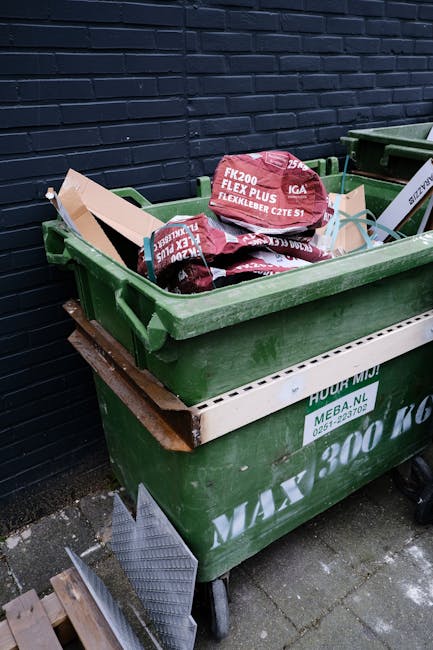
Rubbish rules sound dull until they stop your project. Then they are suddenly very interesting. In Ilford, a skip permit may be needed if the skip will sit on a public road or verge rather than private land. And if you are putting waste out for collection, the council's expectations around timing, presentation, and what counts as acceptable refuse become important very quickly.
The main reason this matters is simple: waste is easy to mismanage. A skip placed without permission can lead to delays, extra costs, or removal requests. Poorly bagged waste can be rejected. Builders' rubble mixed with household rubbish can complicate collection. Nobody wants that. Not on a wet Tuesday morning with a van booked and the pavement already half-blocked by parked cars.
It also matters because different types of waste need different handling. Domestic rubbish, green waste, bulky items, construction debris, and office clear-outs are not all treated the same way in practice. That is why local residents often end up choosing between a skip hire setup, a man-and-van style clearance, or a scheduled collection service such as rubbish collection in Ilford or waste removal in Ilford.
Expert summary: If your waste will touch the public highway in Ilford, pause before booking anything. Check access, the likely amount of waste, and whether the job needs a permit, a collection service, or a private-land solution. The cheapest option on paper is not always the cheapest once delays are counted.
How Ilford skip permits and Redbridge Council rubbish rules works
At a practical level, the process usually starts with one question: where will the waste sit? If the skip is on your driveway or another area fully inside private property, a permit may not be needed. If it is on the road, pavement, or another public space, permission is often required. That permission is normally tied to road safety, access, and how long the skip will remain in place.
Here is the part people sometimes miss: a permit is not only about paperwork. It is about how the street remains safe and usable. Visibility for drivers, clear pedestrian access, lighting at night, and the general condition of the road all matter. In some situations, reflective markings, lights, or placement restrictions may be required. If that sounds a bit fussy, well, roads are fussy. They have to be.
Redbridge Council rubbish rules also affect ordinary day-to-day disposal. For example, if you are leaving bins or bags out for collection, you need to follow local presentation rules and avoid creating a hazard or nuisance. Waste should not be placed out too early, overflow the bin area, or spill into the street. In practice, the best results come from keeping waste sorted, contained, and ready for the right collection method.
That is why many residents compare skip hire with alternative options before making a decision. A skip can be ideal for ongoing clear-outs and construction work, while targeted collection may suit a one-off disposal job. For larger domestic clearances, a full-service option like house clearance in Ilford can be easier than juggling permits, loading, and disposal rules yourself.
Typical decision points
- Is the waste staying on private land or going onto the highway?
- How long will the waste need to stay in place?
- What type of rubbish is it: household, garden, builders' waste, or office items?
- Do you need a one-off clear-out or several loads over time?
- Will access be tight, awkward, or shared with neighbours?
Key benefits and practical advantages
Getting this right has a few very real advantages. First, you reduce the chance of enforcement issues or an awkward call from a neighbour who cannot get their car out. Second, the waste leaves the site faster and more safely. Third, you usually get a clearer sense of cost, because you are not paying for avoidable delays.
There is also a big mental benefit. You know the job is being handled properly. That sounds small, but when you are in the middle of a move, renovation, or bereavement clear-out, peace of mind is not small at all.
Some of the practical benefits include:
- Better compliance: fewer chances of a skip being placed or used incorrectly.
- Smoother logistics: less confusion about what can go where and when.
- Cleaner streets and safer access: especially important on narrower residential roads.
- Improved recycling potential: waste sorted correctly is usually easier to process responsibly.
- Less risk of neighbour disputes: a tidy plan often prevents the "who left this here?" conversation.
If your job also involves sorting mixed material, you may find it helpful to separate reusable items, recyclable waste, and true disposal waste from the start. That is one reason people often pair a clearance with guidance from builders' waste disposal in Ilford or garden waste removal in Ilford depending on the project type.
Who this is for and when it makes sense
This topic matters to more people than you might think. It is not just for builders or landlords. A family clearing a garage, a homeowner replacing a kitchen, and a shop owner emptying stockroom clutter can all run into the same permit and rubbish-rule questions.
You are likely to need to think about permits or council rules if you are:
- booking a skip for a front-drive-free property;
- renovating a flat with limited access or no private parking;
- disposing of bulky furniture after a move;
- removing garden debris after landscaping work;
- clearing office furniture, paper, shelving, or equipment;
- managing a builder's load from a loft conversion or extension.
It also makes sense to pause and check the rules if you are in a busy part of Ilford with constrained street space. Around stations, major roads, and denser residential streets, access can be tighter than people expect. If you are planning around time pressure, the practical difference between a same-day collection and a skip sitting for several days can be significant. For that reason, some readers also look at same-day rubbish collection near Ilford Station or house-move clearance on Cranbrook Road as alternatives.
To be fair, if your waste is tiny - a few bags, one broken chair, a bit of cardboard - a permit-heavy solution may be overkill. But once a job turns into a proper clear-out, the local rules matter fast.
Step-by-step guidance
If you want the cleanest route through the process, use this sequence. It is simple enough, but it saves a lot of back-and-forth.
- Estimate the waste accurately. Half-full or overfilled skips both create problems. Try to group items by type and volume before you book.
- Check where the container will sit. Private land is often the easiest route. Public land usually raises the permit question.
- Match the waste type to the right service. Garden cuttings, builders' rubble, office items, and household junk may need different handling.
- Plan access. Measure gates, think about parking, and be honest about whether a large vehicle can safely reach the property.
- Allow time for the permit or collection window. Last-minute plans can work, but not always. London streets do not always play nice.
- Sort out hazardous or restricted items separately. Paint, gas bottles, batteries, and similar items need special care.
- Keep the site tidy during the job. A clear working area makes loading quicker and safer.
- Confirm the end point. Make sure the waste is going to a legitimate disposal or transfer route, not just shifted out of sight.
If you are trying to decide between a full-service pickup and a more manual approach, it can help to compare the likely labour involved. For example, office clearance in Ilford may be better handled as a managed service if there are desks, screens, filing cabinets, and mixed office waste. Less lifting for you. Less chance of a sore back too, which nobody really wants by Thursday.
Expert tips for better results
Here is the honest version: the best waste jobs are usually the boring ones. The waste is sorted, the access is measured, and nobody is rushing around five minutes before the vehicle arrives. A little unglamorous, yes. Very effective, though.
- Take photos before booking. A quick picture of the waste pile, driveway, or street access can prevent misquotes and booking the wrong size service.
- Leave a margin for overfill. People tend to underestimate how much volume soft waste creates once bags are opened and flattened.
- Keep heavy items near the access point. Stone, tiles, timber, and soil can slow down loading if they are scattered all over the property.
- Separate recyclable material early. Cardboard, green waste, and clean timber often benefit from being kept apart where possible.
- Mind the weather. Wet cardboard, soaked plasterboard, and muddy garden waste can change handling needs and add weight very quickly.
- Speak to neighbours if the road is tight. A quick heads-up can prevent complaints and make a shared space feel less tense.
One small but useful habit: put a note on the day's waste pile saying what must stay and what can go. It sounds almost silly. It is not silly when you are halfway through a clear-out and everyone starts moving things around.
If you care about environmental handling as well as convenience, check the approach behind recycling and sustainability. Even a routine domestic job often has better outcomes when the waste stream is separated with a bit of thought.
Common mistakes to avoid
Most problems are avoidable, which is the slightly annoying part because it means they were probably preventable all along. Still, here are the common slip-ups we see people make.
- Assuming a skip can go anywhere. If it is on public land, don't guess. Check first.
- Ignoring overfilling rules. An overloaded skip can be unsafe to move and may be refused.
- Mixing prohibited items with general waste. Hazardous or specialist items need separate handling.
- Leaving rubbish out too early. This creates clutter, attracts attention, and can lead to a complaint.
- Not checking access width or parking restrictions. A large vehicle cannot magically squeeze through a narrow gap. Sadly.
- Underestimating the weight of rubble or soil. Heavy waste fills load limits before it fills the container.
- Choosing a service based only on price. The cheapest quote can become the expensive one if it does not match the job properly.
A lot of people also forget that mixed waste has different disposal needs. A clear-out from a property sale may include furniture, packaging, old appliances, and builder offcuts all in one place. If that sounds familiar, reading something like the Ilford real estate guide or the smart buying guide for Ilford homes can be useful when you are trying to plan a move and disposal together, rather than as two separate stress points.
Tools, resources and recommendations
You do not need complicated tools, but a few basics make the process much smoother:
- Measuring tape: to check access, driveway width, and where a skip or collection vehicle can stand safely.
- Phone camera: ideal for photos of the waste pile and site access.
- Simple waste list: write down what you are disposing of, especially if the job includes mixed items.
- Calendar reminder: useful if you are waiting for a permit, a collection date, or a property completion day.
- Gloves and sturdy footwear: sensible for anyone shifting items by hand, even if only for a short while.
In terms of local reading, you may also find it helpful to explore the company's broader information pages, such as about us, insurance and safety, and terms and conditions. Those pages are not about permits themselves, but they can help you understand how a provider works and what standards they aim to follow.
For readers who want a more general overview of the available help, the services overview page is a sensible starting point. It can help you decide whether you need a collection, a full clearance, or a more specialised approach.
Law, compliance, standards and best practice
Let's keep this careful and practical. Waste handling is subject to legal and local requirements, but the exact rules vary by waste type, location, and how the job is arranged. If you are placing a skip on a public road, you should treat a permit as a normal requirement rather than an optional extra. If you are leaving waste out for collection, follow the local instructions that apply to your property and collection arrangement.
Best practice is straightforward:
- do not obstruct pavements, road markings, access points, or drives;
- keep waste contained so it does not spill or blow away;
- segregate restricted items where required;
- use a legitimate disposal route;
- avoid dumping waste on public land, even temporarily;
- make sure any contractor you use understands local access and loading constraints.
For businesses, the standards are usually stricter in practice because duty of care is taken seriously. Office moves, refurbishment waste, and stockroom clear-outs should be documented and handled cleanly. If you are dealing with commercial premises, office clearance in Ilford or a broader waste removal service may reduce the compliance burden because the disposal route is managed for you.
One more thing: if a job involves builders' waste, especially heavy material or mixed renovation debris, take extra care with load weight, dust, and safe handling. That is where builders' waste disposal in Ilford becomes especially relevant.
Options, methods and comparison table
People often ask whether a skip is the best choice. The honest answer is: sometimes yes, sometimes no. It depends on the waste type, access, duration, and whether you want to load everything yourself.
| Option | Best for | Pros | Possible downsides |
|---|---|---|---|
| Skip hire with permit | Larger projects, ongoing refurbishment, heavy mixed waste | Convenient if you are loading over several days; good capacity | Permit may be needed on public land; space and timing can be tricky |
| Private-land skip | Properties with driveways or private forecourts | Often simpler and faster; less public interference | Requires enough private space and careful placement |
| Man-and-van style collection | Bulky household items, mixed clear-outs, tighter spaces | Flexible, no skip sitting outside for days, less street clutter | May need more sorting and scheduled loading in one go |
| Full house or office clearance | End-of-tenancy, probate, move-outs, business clearances | Less lifting for you, more structured removal, usually efficient | Less hands-on control over each item unless agreed in advance |
If your road is awkward, parking is limited, or the clear-out is time-sensitive, a collection-based route can feel much easier than managing a skip permit and waiting around. That is especially true for short-notice jobs near transport hubs or busy residential streets. You can see why some people prefer rubbish collection in Ilford over a static skip sitting outside for a week.
Case study or real-world example
A fairly typical local scenario goes like this. A couple in Ilford decide to clear a loft, the back bedroom, and a small shed before putting the house on the market. At first, they think a skip will be easiest. Then they measure the drive and realise the car needs to stay put for school runs, and the street outside is tight with parked vehicles by late afternoon.
They now have three problems instead of one: access, timing, and what to do with mixed waste. They also discover that the waste pile includes old carpet underlay, broken shelving, garden cuttings, and a couple of flat-pack units they forgot about. The job is not huge, but it is awkward enough to be annoying.
After thinking it through, they choose a collection-led clearance instead of a skip on the road. The site stays clearer, there is no permit to manage, and the waste goes in one planned visit. A small thing? Maybe. But on a busy moving week, small things are often the difference between a smooth day and a stressful one.
That same logic often applies to people moving near Cranbrook Road or around more compact neighbourhoods where space is at a premium. If your situation feels a bit tangled, it is usually a sign that the simplest-looking option may not be the simplest in reality.
Practical checklist
Use this quick checklist before you book anything:
- Have you confirmed whether the waste will be on private or public land?
- Do you know the approximate amount and type of waste?
- Have you checked access for a skip lorry or collection vehicle?
- Are you clear on which items are restricted or need separate handling?
- Have you allowed enough time for any permit or scheduling requirement?
- Is the site tidy and safe enough for loading?
- Have you compared a skip, collection, and full clearance option?
- Do you understand the disposal route and any relevant safety expectations?
- Have you read the provider's service terms and safety guidance?
- Have you planned what happens after the waste leaves the property?
And one more practical thought: if the job is tied to a move, sale, or refurbishment deadline, build in a little breathing room. Waste jobs almost always take longer when they are rushed. Not always, but often enough.
Get a free quote today and see how much you can save.
Conclusion
Ilford skip permits and Redbridge Council rubbish rules are not just admin details. They shape how smoothly your project runs, how safely waste is handled, and whether you avoid unnecessary delay or cost. The good news is that once you understand the basics - where the waste will sit, what type it is, and how it should be removed - the rest becomes much easier.
For many people, the best approach is not the most obvious one. Sometimes a permit-backed skip is perfect. Sometimes a faster collection service is the smarter fit. Sometimes a full clearance keeps everything simpler from start to finish. The right choice is the one that matches the site, the waste, and the deadline without creating extra mess.
Do the calm, practical thing: check the access, sort the waste, and choose the method that lets you get on with your life. That is usually where the real value is.


Copyright © . House Clearance Ilford. All Rights Reserved.