Cranbrook Road rubbish clearance for house moves IG2
Posted on 28/05/2026
Cranbrook Road rubbish clearance for house moves IG2: a practical local guide
Moving home is rarely as simple as packing boxes and calling the van. On Cranbrook Road, where flats, terraces, and busy side streets all seem to have their own moving-day rhythm, rubbish clearance can become the bit that slows everything down. Old wardrobes, broken drawers, unwanted carpets, garden debris, random loft finds, the odds and ends that collect over years, they all need dealing with before keys change hands. That is exactly where Cranbrook Road rubbish clearance for house moves IG2 becomes useful: it helps you clear space, stay organised, and reduce the stress that always seems to creep into the final week.
Whether you are moving out, moving in, downsizing, or helping a relative prepare a property, the right clearance approach can make the whole process feel far less chaotic. It is not just about getting rid of stuff. It is about timing, safety, access, recycling, and making sure the property is left in a presentable condition. Below, we break it down in plain English, with local, practical advice you can actually use.
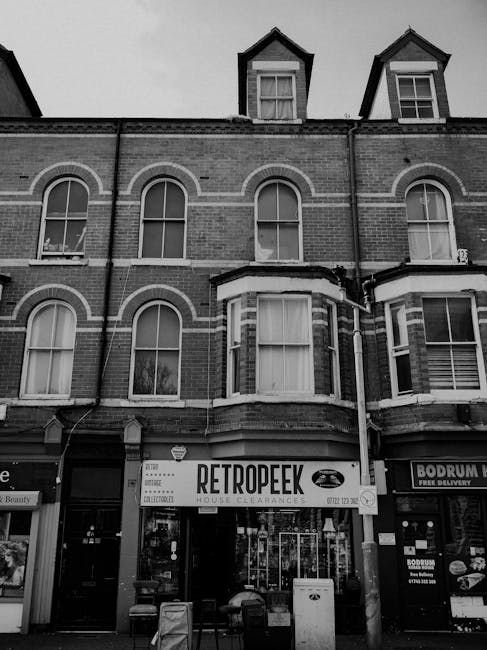
Why Cranbrook Road rubbish clearance for house moves IG2 Matters
House moves expose clutter in a very honest way. The cupboard you forgot about, the broken chair in the spare room, the packaging from new furniture, the dismantled wardrobe that somehow never made it downstairs, all of it comes into view. On a road like Cranbrook Road, where access can be tight and the pace of the area is constant, leaving clearance until the last minute usually creates avoidable problems.
Clearance matters because it affects more than appearance. It helps you:
- free up space for packing and staging rooms
- reduce the risk of trips, blocked corridors, and damaged belongings
- make removals easier and often quicker
- leave the property in better condition for sale, rent, or handover
- avoid the awkward situation of paying movers to work around debris
There is also a human side to it. Moving day is tiring enough without a stack of unused furniture staring at you from the hallway. If you have ever stood in a half-packed room at 9 p.m., surrounded by tape, bubble wrap, and a bin bag full of mystery cables, you will know the feeling. A proper clearance plan takes a surprising amount of pressure off.
For wider local context, some readers also find it helpful to look at this Ilford real estate guide or the broader house clearance service for Ilford when planning a move around the IG1 and IG2 area.
How Cranbrook Road rubbish clearance for house moves IG2 Works
Most household clearance jobs for a move follow a straightforward process, but the details matter. The best results usually come from a short survey or at least a very clear description of what needs removing. You do not need to know every single item perfectly. Still, the more accurate the information, the smoother the job tends to be.
Typical process
- Initial assessment: You explain the property type, access, items to be removed, and timing.
- Quote and scheduling: A price is agreed based on volume, labour, access, and any special handling needs.
- Arrival and loading: The team removes items safely, usually sorting as they go.
- Separation for reuse, recycling, and disposal: Reusable items may be diverted away from waste where appropriate.
- Final sweep: The space is left tidy, though the exact finish depends on the agreed service.
For moving-related clearances, timing is often the trickiest part. If you are due to hand the property back on Friday but the removals van comes on Thursday, you may find yourself living among boxes and dust for longer than expected. Not ideal. It is usually better to clear bulky waste before the main removals day, especially if stairways or parking are limited.
If you are comparing service types, the services overview is useful for understanding how household clearance sits alongside rubbish collection and broader waste removal options. For routine item pickups, rubbish collection in Ilford may be the better fit, while larger move-out jobs may call for a full waste removal service.
Key Benefits and Practical Advantages
The obvious benefit is less clutter. The less obvious benefit is how much smoother the move feels once the unnecessary stuff is out of the way. Truth be told, that is often the difference between a controlled move and a frantic one.
| Benefit | Why it helps during a move | Practical example |
|---|---|---|
| More floor space | Makes packing and moving safer and faster | Boxes can be staged in one room instead of spread through the flat |
| Better access | Reduces obstruction in hallways and entrances | Movers can carry furniture out without weaving around junk piles |
| Cleaner handover | Leaves a better impression for landlords, buyers, or agents | Old mattresses and broken shelving are not left behind |
| Less stress | Removes the mental load of dealing with unwanted items later | You are not trying to organise disposal after already unpacking |
| Potential recycling | Can support more responsible disposal decisions | Usable items may be separated for reuse where appropriate |
There is also a cost-control angle. If items are sorted before the clearance team arrives, the job tends to be more efficient. That does not always mean cheaper in every case, but it often means fewer surprises and less wasted time. And as anyone who has moved in London knows, wasted time has a habit of becoming expensive.
For readers who are thinking longer term, the site's recycling and sustainability information is worth a look. It gives useful context for how responsible disposal fits into everyday clearance decisions.
Who This Is For and When It Makes Sense
This kind of clearance is not just for people with overflowing houses. It is for anyone preparing a property for movement, sale, rental, or reoccupation. In and around Cranbrook Road, that often includes a mix of households and situations.
Common scenarios
- Home movers: You are relocating and need to remove bulky unwanted items before the van arrives.
- Landlords and tenants: A flat needs clearing after a tenancy ends, and leftover items have to go.
- Sellers: You want rooms to look spacious and presentable for viewings.
- Downsizers: You are moving to a smaller property and cannot take everything with you.
- Families helping relatives: A house needs sorting after a major life change, and the timetable is tight.
It makes sense whenever bulky waste starts interfering with the move itself. If you are tripping over old furniture or storing bags in the hallway because every room is full, you are probably already at the point where a clearance service will save time and frustration.
Some people also combine a move with wider life admin. That is normal. One day you are choosing boxes; the next you are trying to remember whether the old bedside cabinet belongs to anyone. Moving is funny like that. It turns every object into a decision.
If you are settling in or out of the area, local reading such as advice for Ilford residents and the area-focused Ilford property buying guide can also help with planning around neighbourhood logistics.
Step-by-Step Guidance
Here is a practical way to approach moving-related rubbish clearance without overcomplicating it.
1. Walk through the property room by room
Start with the places where clutter hides: lofts, spare rooms, under-stair storage, sheds, and the back of cupboards. Mark anything you are not taking with you. Be decisive, but not reckless. If you are unsure, put it in a review pile and revisit it later that day.
2. Separate items into simple groups
- keep
- donate or pass on
- reuse in the new home
- clear as rubbish or bulky waste
This sounds basic, but it saves a lot of backtracking. And backtracking, in a moving week, is exhausting.
3. Note anything awkward or heavy
Mattresses, wardrobes, broken appliances, and heavy bags often need more care than regular household rubbish. If access is via narrow stairs or a tight landing, say so early. A small detail like that can change the whole setup.
4. Choose the right timing
For many moves, the best window is a day or two before the main removals. That leaves space for final packing and cleaning. If parking or loading access is limited, morning slots can be easier because the street is usually calmer.
5. Confirm what is included
Make sure you understand whether the service covers loading only, sweeping up, disposal, or specialist handling. That clarity avoids awkward assumptions. Nobody wants a surprise at the end of moving week. Nobody.
6. Keep important items separate
Passports, leases, keys, medication, chargers, and documents should stay away from any clearance pile. It sounds obvious, but in the middle of a move, obvious things have a way of vanishing. A labelled box works better than intentions.
Expert Tips for Better Results
Small planning choices make a big difference. In our experience, a good clearance job is often less about brute force and more about preparation.
- Take photos before you book: A few clear images of the rooms, stairs, and large items help reduce misunderstanding.
- Leave clear walking routes: Even a modest hallway improvement can speed things up.
- Disassemble what you can safely dismantle: Flat-pack furniture often becomes easier to remove in parts.
- Label what stays and what goes: Simple notes stop items being mixed up during a hectic day.
- Check access and parking in advance: On a busy road, this matters more than people think.
- Book early in the week if possible: It gives you breathing room if plans shift, which they sometimes do.
One very ordinary but useful tip: put a bin bag, cloth, and marker pen near the front door. It sounds almost too simple, but those three items save a lot of wandering around when the room starts looking like a cardboard factory.
For confidence around safety and service standards, the site's insurance and safety guidance is a sensible reference point. And if you want to understand the business side before booking, pricing and quotes explains what to expect in straightforward terms.

Common Mistakes to Avoid
A lot of moving stress comes from decisions made too late. A few common mistakes show up again and again.
- Leaving clearance until the final day: This is the biggest one. It compresses the schedule and raises the stress level fast.
- Underestimating volume: A few bulky items can fill a van quicker than expected, especially once broken pieces and loose bits are included.
- Not checking access: Tight stairwells, controlled entry, and parking restrictions can all affect the job.
- Mixing rubbish with items to keep: In the middle of a move, this happens more often than people admit.
- Forgetting about recycling or reuse options: Some items may be suitable for a different route, which is worth considering where appropriate.
- Assuming every service is the same: House clearance, rubbish collection, and waste removal can overlap, but they are not always identical in scope.
One small but important note: be careful with loft contents and outbuildings. They often contain mixed materials, dust, and awkward items that take longer to sort than expected. It is rarely the glamorous part of moving, but it can be the most revealing. Also a bit dusty, frankly.
Tools, Resources and Recommendations
You do not need specialist equipment for most move-related clearance prep, but a few basic tools make the whole thing smoother.
- Marker pens and labels: Ideal for marking keep, remove, and donate piles.
- Heavy-duty bags and boxes: Useful for separating loose items before collection.
- Screwdrivers and simple dismantling tools: Helpful for beds, shelving, and flat-pack furniture.
- Protective gloves: A practical choice for lofts, sheds, or mixed waste areas.
- Tape and stretch wrap: Good for keeping loose fittings and drawers together.
If you are dealing with outside spaces as well as the property interior, the following pages may help you choose the right service:
- builders waste disposal in Ilford for renovation leftovers and heavy debris
- garden waste removal in Ilford for hedge trimmings, cuttings, and outdoor clear-outs
- the Valentines Park rubbish removal local guide for a wider look at local disposal planning
On the website side, the about us page is useful if you want a better feel for the company behind the service, while payment and security helps reassure anyone who likes to understand the process before confirming a booking. Fair enough, most people do.
Law, Compliance, Standards, or Best Practice
Any rubbish clearance should be handled responsibly. Without getting lost in legal jargon, there are a few plain-English best practices worth keeping in mind.
First, waste should be transferred to a legitimate disposal route. That means you should be cautious about anyone who cannot clearly explain where items go or who offers a deal that feels oddly vague. If a quote sounds too good to be true, it sometimes is. Not always, but enough to raise an eyebrow.
Second, if items contain personal information, such as paperwork, old bills, or documents with address details, separate them before collection. Shredding or secure disposal may be sensible for sensitive papers. That is just basic good housekeeping, really.
Third, some items need special handling. Fridges, freezers, old paint, chemicals, and certain electricals can require more careful treatment than ordinary furniture. You do not need to become an expert, but you should mention these items when requesting a quote.
For readers who like clear policies, the site's terms and conditions, privacy policy, and modern slavery statement are all part of the trust picture. They do not clear a single box by themselves, obviously, but they do help show how the service is structured and handled.
Best practice in this space is simple: be clear, be honest about the load, and make sure the disposal route is sensible for the items involved.
Options, Methods, or Comparison Table
Not every move needs the same kind of clearance help. Sometimes you only need a few bulky items collected. Other times you need a full property emptied. Here is a useful comparison.
| Option | Best for | Pros | Limitations |
|---|---|---|---|
| DIY disposal | Small, manageable loads | Low direct cost if you already have transport | Time-consuming, tiring, and not ideal for bulky items |
| Rubbish collection | Loose waste or smaller pickup jobs | Convenient for quick removal | May not suit full house moves or heavy furniture |
| Full house clearance | Move-outs, estate clearances, and larger households | Efficient for larger volumes and mixed items | Needs clearer planning and accurate item lists |
| Waste removal service | Broad mixed loads, including bulky waste | Flexible for different move-related situations | May require more detail upfront to quote properly |
If you are unsure which route fits your situation, the simplest question is this: are you getting rid of a few items, or are you clearing out an entire stage of life? The answer usually points you in the right direction. It sounds a bit dramatic, but moving house does that to people.
Case Study or Real-World Example
Here is a realistic example based on a common Cranbrook Road moving pattern. A couple is leaving a first-floor flat near the station area and moving to a larger home elsewhere in IG2. They have a sofa they are not taking, a broken bedside unit, two bookcases, old curtains, packing waste, and a box of miscellaneous items from the cupboard under the stairs.
If they leave everything until moving day, the hallway becomes cluttered and the removals team has to work around it. Boxes slow down the route, the old furniture blocks the landing, and the final clean takes longer than planned. The move feels messy from the moment the first van door opens.
Instead, they book a clearance slot two days earlier. The bulky furniture goes first, the loose rubbish is bagged, and the flat is left open for packing. The removals team gets better access. The final walk-through is calmer. There is still the usual moving stress, of course, but it is the manageable kind. The kind you can survive with tea and a pen that actually works.
That is the real value here: not magic, just fewer obstacles at the wrong time.
Practical Checklist
Use this checklist before booking or carrying out move-related rubbish clearance on Cranbrook Road.
- Identify everything that is not coming to the new property
- Separate keep, donate, recycle, and remove piles
- Check for bulky, heavy, or awkward items
- Take photos if you need a quote
- Confirm access, stairs, parking, and any entry restrictions
- Remove personal documents and valuables from clearance areas
- Ask what the service includes: loading, sweeping, disposal, or more
- Book the clearance before the final removals day where possible
- Keep a small essentials box separate from all waste
- Review the final rooms before handover
Quick takeaway: if the move is already busy, do not make clearance a last-minute side quest. Sort it early, keep it simple, and the whole day runs better.
Conclusion
Cranbrook Road rubbish clearance for house moves IG2 is really about making a stressful process more manageable. Clear the clutter early, choose the right type of service, and keep your moving plan as simple as possible. That one decision can save time, reduce mess, and make the handover feel much cleaner and calmer.
Whether you are moving a flat, a family home, or helping someone through a property change, the goal is the same: remove the things you do not need so you can focus on the move itself. Small job, big relief. That is the truth of it.
Get a free quote today and see how much you can save.
If you are still planning the wider move, it may also help to explore more about local property and neighbourhood context through the Ilford real estate guide or the broader peaceful side of London life in Ilford. Sometimes a little local insight makes the next step feel less daunting.
And if you are clearing a property that borders gardens or outbuildings, the related house clearance service in Ilford and garden waste removal options can help round out the plan neatly.


Copyright © . House Clearance Ilford. All Rights Reserved.