Ilford flat rubbish clearance case study before and after
Posted on 22/10/2026
If you have ever stood in a hallway of bags, broken furniture, old boxes, and that one mystery item nobody admits to owning, you will know why a clear Ilford flat rubbish clearance case study before and after is so useful. It shows what actually changes, not just in the room, but in the whole process: access, speed, safety, recycling, and the stress level of everyone involved. And yes, a flat can go from cramped and cluttered to properly usable again faster than most people expect.
This guide breaks down the before-and-after story in a practical way. You will see why these jobs matter, how they usually work in a flat setting, what problems tend to crop up in Ilford, and how to get the best result without turning the place upside down. It is written for real people with real mess, not some perfect showroom fantasy. Let's face it, flats are rarely made for easy clearance. Narrow stairs, shared entrances, neighbours, parking limits, no lift sometimes... the fun bits.
By the end, you should have a much clearer idea of what a well-run flat clearance looks like, what to ask for, and what to avoid. If you are comparing options, moving out, dealing with inherited items, or simply trying to reclaim space, this should help.
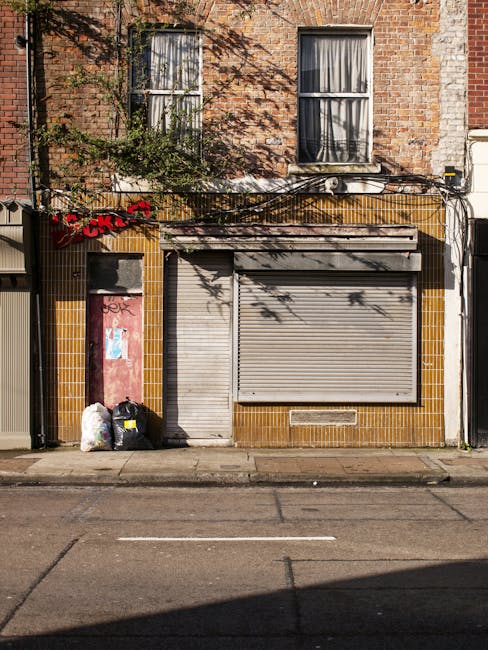
Why Ilford flat rubbish clearance case study before and after Matters
A before-and-after case study is more than a neat marketing format. It helps you understand what changes in a flat clearance job, and why those changes matter. In a flat, rubbish is rarely just "rubbish". It can block a corridor, slow down a move, create trip hazards, attract pests, or make a property feel smaller and more stressful than it really is.
For many people in Ilford, the value is practical. Flats often sit in buildings where access is tight and neighbours are close by. That means clearance needs to be tidy, quiet enough, and efficient. A good result is not only about removing waste. It is about leaving the flat safe, walkable, and ready for the next step, whether that is sale, tenancy changeover, refurbishment, or simply a fresh start.
The "before" side usually reveals the real challenge. You may see old wardrobes, mattress foam, bagged waste, broken appliances, loose cardboard, and items piled in corners because nobody has had the time or energy to deal with them. The "after" side should show empty rooms, clearer floors, and a flat that feels breathable again. There is a genuine psychological lift in that. People notice it immediately.
Expert summary: A useful flat clearance case study should show more than a tidy room. It should demonstrate access planning, safe lifting, sorting for reuse or recycling, and a clean finish that suits block living in Ilford.
That is why this topic matters to both homeowners and renters. It helps you judge service quality, spot hidden costs, and avoid the mistake of choosing a clearance option that looks cheap at first but turns messy later. And nobody wants that headache.
How Ilford flat rubbish clearance case study before and after Works
The process usually starts with an assessment. In a flat, the clearance team needs to understand what is being removed, where it is located, whether there are stairs or lifts, and how easy it will be to move items out without damaging walls or common areas. A quick look can tell you a lot. A narrow hallway tells a different story from a ground-floor one-bed with parking right outside.
After that comes the plan. Good teams decide how many people are needed, what vehicle size makes sense, and whether anything needs special handling. For example, old fridges, sofas, or mixed bulky items may need a more careful approach than a few bags of general waste. In a proper case study, you should be able to see that planning step reflected in the outcome.
Then comes the actual clearance. Items are usually sorted as they go: reusable where possible, recyclable where appropriate, and waste that needs disposal through the correct route. In many flats, this part is where the difference between a rushed job and a professional one becomes obvious. A rushed crew can leave scuffed skirting, scattered debris, or half-cleared corners. A better crew leaves the place visibly calmer.
Finally, there is the finish. The before-and-after comparison should ideally include a visual sweep-up, removal of loose debris, and a final check of any awkward corners, cupboards, or balcony spaces. That last bit matters more than people think. A flat can look "done" until you spot three forgotten bags behind the door. Classic.
In a strong case study, the transformation is measured in more than just bin bags removed. It is measured in access restored, time saved, and stress reduced.
Key Benefits and Practical Advantages
There are several clear advantages to using a structured flat rubbish clearance approach, especially in a busy area like Ilford where time and access can be tight. Some are obvious. Others only become clear once the job is underway.
- Faster turnaround: Flats often have deadlines linked to moving, letting, or renovation. A planned clearance keeps things moving.
- Better use of space: Once clutter goes, rooms often feel larger, brighter, and easier to work in.
- Lower stress: A messy flat can wear you down mentally. That sounds dramatic, but it is true.
- Safer walkways: Loose items, broken furniture, and stacked bags can be a real trip hazard in tight spaces.
- Cleaner handover: If you are leaving a tenancy or preparing a property for sale, presentation matters.
- More efficient recycling: A good clearance team will separate suitable items rather than treating everything the same.
There is also a less obvious benefit: decision-making becomes easier once the clutter is gone. People often hold on to things partly because the mess makes it hard to think. Once a room is cleared, you can finally judge what stays, what goes, and what needs replacing.
That is especially useful if the flat is being marketed or refurbished. Estate agents, landlords, and tradespeople can all work more efficiently in a space that is clear and accessible. A painter can move in. A cleaner can do a proper job. A surveyor can see what they need to see.
Who This Is For and When It Makes Sense
This kind of clearance makes sense for a wide range of people, not just those dealing with a major hoard or a dramatic mess. In fact, some of the most common cases are fairly ordinary. Just inconvenient, and a bit embarrassing if you are being honest.
You may need flat rubbish clearance if you are:
- moving out of a rented flat
- preparing a property for sale
- clearing after a tenancy ends
- dealing with old furniture left behind by previous occupants
- making space before renovation work
- tidying up after a long period of accumulation
- emptying a flat after a bereavement or family transition
It also makes sense when the waste is awkward. A few plastic bags are one thing. A sofa, bed frame, damaged wardrobe, and mixed household rubbish in a first-floor flat with no lift? That is a different job entirely. You need a service that understands building access, not just disposal.
In our experience, people often wait too long because they assume the job will be bigger, slower, or more expensive than it really is. Sometimes it is. But often it is simply a matter of organising the right help and being realistic about access. A small flat can still create a big mess, of course. That is the trick of it.
Step-by-Step Guidance
If you want a smooth before-and-after result, it helps to break the job into practical stages. That way the whole thing feels less like a mountain and more like a sequence of manageable tasks.
1. Walk through the flat room by room
Start with a slow look at what needs removing. Identify bulky items, loose rubbish, recycling, and anything that should be kept aside. In a flat, cupboards and under-bed spaces are often where the real volume hides. Funny how that works.
2. Separate anything sensitive or valuable
Before clearance begins, remove documents, keys, chargers, medicines, cash, jewellery, and anything personal. If you have sentimental items tucked inside drawers or boxes, take a little extra time here. Once the van is loaded, it is too late.
3. Check access and parking
For flats in Ilford, access details can make or break the job. Note whether there is a lift, any stair restrictions, parking rules, or entry codes. If the property is in a shared building, it helps to think about other residents too. No one enjoys a corridor blocked by a mattress at 8am.
4. Decide what should be reused, recycled, or disposed of
A good clearance does not just throw everything in one pile. It should consider whether furniture, metal, cardboard, or other items can be separated. This is better for the environment and usually better for the finish as well.
5. Remove the waste systematically
Work from the easiest items first or from the back of the flat outward, depending on access. The idea is to keep pathways open and avoid needless lifting back and forth. There is no prize for chaos.
6. Sweep, inspect, and do a final check
Once the obvious items are gone, look at skirting boards, corners, behind doors, balcony areas, and any hidden patch where rubbish tends to cling. A quick final sweep can make a big difference to the after photo.
7. Confirm the result
The "after" stage should show more than empty space. You want a flat that is genuinely usable again. That means clear walkways, cleaner surfaces, and no leftover debris that will annoy you later.
If you are managing the process yourself, keep the stages simple. If you are using a team, ask how they handle sorting, access, and post-clearance tidying. Those answers tell you a lot about the quality you are likely to get.
Expert Tips for Better Results
There are a few small choices that can make the whole job smoother. They do not sound dramatic, but they often decide whether a clearance feels controlled or slightly frantic.
- Take photos before you start: Useful for tracking progress, especially if multiple people are involved.
- Label what stays: A simple note on boxes or bags prevents accidental removal.
- Clear a path first: If nothing else, open the main route from each room to the door.
- Book around building quiet times: In shared blocks, timing matters more than people expect.
- Ask about recycling: If you care where items go, ask before the job starts, not after.
- Keep one bin bag for loose odds and ends: Batteries, cables, screws, and small bits have a habit of wandering.
One useful habit is to group items by type before anyone starts carrying things out. For example, cardboard with cardboard, textiles with textiles, and bulky furniture separate from small mixed waste. It sounds obvious, but it helps reduce confusion and speeds things up.
Another tip: if you are clearing a flat that has been full for a while, do not try to solve every decision in one afternoon. That is where people get overwhelmed. Start with easy wins. You will notice momentum building pretty quickly.
And if the property has limited lift access or shared hallways, tell the team in advance. This is one of those tiny details that saves a lot of hassle later.

Common Mistakes to Avoid
A lot of bad clearance experiences come from the same handful of mistakes. Avoid these and your chances of a clean before-and-after result improve a lot.
- Underestimating the volume: Flats can hide a surprising amount of waste in cupboards, loft-style storage, and behind furniture.
- Forgetting building access rules: Shared entrances, lifts, parking, and noise limitations can complicate the job fast.
- Mixing valuable items with rubbish: Once everything is bagged together, mistakes happen.
- Choosing purely on price: Cheap at the quote stage can become expensive if the team is slow, careless, or unclear.
- Not asking about sorting: Some services recycle better than others. It is worth checking.
- Leaving it until the last minute: Deadlines and clutter are a bad combination. Always have a little buffer if you can.
Another mistake is assuming every flat clearance will be exactly like the last one. It will not. A ground-floor studio with one sofa is a world apart from a two-bed flat with multiple bulky items and restricted access. The more clearly you describe the situation, the better the result is likely to be.
Truth be told, many people also forget about the emotional side. If the flat belongs to a parent, relative, or long-term tenant, the job can feel heavier than the physical lifting suggests. That is normal. Plan accordingly.
Tools, Resources and Recommendations
If you are preparing for a flat clearance, a few simple tools can help before anyone even arrives. Nothing fancy. Just practical things that make the process less messy.
- strong bin bags for loose waste
- marker pen and labels for keep/sort piles
- gloves for handling rough or dusty items
- tape or string for securing loose cardboard
- a torch for cupboards, under beds, and corners
- a phone camera for before-and-after photos
- a basic cleaning cloth or brush for the final sweep
On the planning side, it helps to understand what kind of service you actually need. A light rubbish collection is not always the same as a full flat clearance. If you want a broader overview of service types, the services overview page is a useful place to compare the wider options.
If you are worried about pricing structure or want to understand how quotes are usually handled, it can also help to look at pricing and quotes. That way you know what information to have ready before you ask for a figure. No one likes a vague estimate that changes halfway through.
For readers who want a broader sense of how local collection and removal services fit together, rubbish collection in Ilford and waste removal in Ilford are also relevant starting points.
Law, Compliance, Standards, or Best Practice
For any clearance job, the key is to use lawful and responsible waste handling. You do not need to become a compliance expert yourself, but it is sensible to understand the basics. Waste should be taken by a properly run service, handled safely, and disposed of through appropriate channels. That is especially important in a flat setting where shared access, neighbours, and building rules all come into play.
Best practice also means avoiding damage to communal areas. Stairwells, lifts, and hallways in blocks of flats can mark easily. Protective handling, careful lifting, and tidy movement through the building are not luxuries. They are part of the job.
If electrical items, fridges, or bulky furniture are involved, it is wise to ask how they are handled. If the flat contains items with sharp edges, damp materials, or anything that may pose a safety issue, that should be discussed up front. A careful team will appreciate the heads-up.
Insurance and safety matter too. If you are comparing providers, it is reasonable to ask whether they are insured and how they approach risk on site. You can also review the company's insurance and safety information for more context.
For the environmentally minded, it is worth checking whether recyclable items are separated where practical. The aim is not perfection. The aim is responsible handling, sensible sorting, and a finish that does not cut corners. Small details, but they count.
Options, Methods, or Comparison Table
There are usually a few ways to deal with flat rubbish. The right choice depends on time, access, volume, and how much lifting you want to do yourself. Here is a simple comparison to make the decision easier.
| Method | Best for | Pros | Watch out for |
|---|---|---|---|
| DIY clearance | Small loads, simple access, low urgency | Can be cheaper if you already have transport and time | Time-consuming, physically demanding, disposal logistics can be awkward |
| Professional flat clearance | Bulky items, tight deadlines, shared access, larger loads | Faster, less stress, better for awkward building layouts | Cost varies depending on volume and access |
| Mixed approach | People who can sort smaller items themselves | Can reduce cost while keeping control | Still needs planning; easy to run out of steam halfway through |
In many Ilford flats, the mixed approach works well. You handle the personal items, paperwork, and anything delicate. A clearance team then takes the bulky waste and awkward items. That split is often the sweet spot. Not always, but often.
If the job is tied to a tenancy move, you may find the timing guidance in end-of-tenancy rubbish collection tips for Ilford Broadway helpful, especially if you are racing a deadline and trying not to lose your mind.
Case Study or Real-World Example
Here is a realistic example based on a typical Ilford flat clearance scenario, without dressing it up into something it is not.
A two-bedroom flat had built up a mix of old furniture, bagged household waste, cardboard, and a few awkward bulky items after a long period of gradual accumulation. The hall was partially blocked, one bedroom had become storage, and the kitchen had little working surface left. Nothing dramatic in a movie sense, but enough to make daily life frustrating.
Before: the flat felt tight and cluttered. Doorways were passable, but barely. The room at the back had boxes stacked along one wall, and the living area had a sofa that was no longer wanted. There was also a pile of mixed items near the entrance, which made every trip in or out feel slightly annoying. That little sigh you do when you see the same mess again? Exactly that.
Process: the clearance was planned by checking access, confirming what needed to go, and deciding the order in which items should be removed. The heavier furniture came out first so the route through the flat opened up. Bags, cardboard, and smaller loose items followed. The team worked methodically, which is more boring than heroic, but a lot more effective.
After: the hall was clear, both bedrooms could be used properly again, and the living space looked calmer straight away. The flat did not just look neater. It felt more liveable. Light reached the windows better, and the rooms had breathing room again. That is the bit people remember most.
The most useful lesson from this kind of case study is simple: the visible transformation is only part of the value. The hidden value is time saved, risk reduced, and stress taken off your shoulders. And for a lot of people, that matters just as much as the tidy photo at the end.
Practical Checklist
Use this checklist before your flat rubbish clearance begins. It keeps the job moving and reduces those annoying surprises that always seem to arrive at the worst moment.
- Identify every item that must stay in the flat
- Remove documents, keys, medication, and valuables
- Check access, parking, lift use, and building rules
- Separate bulky items from loose waste
- Decide what can be recycled or reused
- Photograph the flat before clearance starts
- Confirm the expected finish and sweep-up standard
- Ask how awkward items will be handled
- Make sure communal areas are protected during removal
- Do a final room-by-room check after the clearance
If you are doing the prep yourself, keep it simple. You do not need a perfect system. You need a workable one. Even a few labelled piles and a clear hallway can make a huge difference.
Conclusion
A strong Ilford flat rubbish clearance case study before and after should leave you with more than a nice visual contrast. It should show the practical steps behind the transformation, the value of careful planning, and the real difference a clear flat makes to everyday life. Whether you are moving, renovating, settling an estate, or just trying to reclaim space, the process is most successful when it is organised, respectful, and realistic.
The main takeaway is straightforward: the best clearance results come from clear access, sensible sorting, safe handling, and a proper finish. That is what turns a stressful pile of stuff into a usable home again. Small job, big relief. Sometimes that is all it takes.
If you are planning a flat clearance in Ilford and want the process to be handled properly from the start, use the guidance above to compare your options, prepare well, and avoid the usual pitfalls.
Get a free quote today and see how much you can save.

Copyright © . House Clearance Ilford. All Rights Reserved.